Unmirrored: Why High-Functioning People Feel So Alone (And What Mirroring Has To Do With It)
You're capable. You handle things. You've always have.
And yet . . . there's this quiet, persistent ache. A sense of being fundamentally alone, even in rooms full of people who love you. A frustration at yourself for still feeling this way, when by most measures, you're doing fine.
If that resonates, this post is for you.
The Two Mirrors
In trauma and attachment therapy, I talk about mirrors in two distinct ways.
The first is how the lasting experience of trauma feels like a mirror that shattered years ago. And you keep unexpectedly finding shards in your feet as you try to walk through your life.
The second is about what happens when mirroring is missing from your childhood story altogether.
Empathy is a mirror. In a childhood where all your needs are met (physical and psychological needs) mirrors help you see yourself, anchoring your identity so you can grow up feeling secure and capable.
Examples of mirroring includes soothing your fears, staying with and/or embracing you when you are sad, and naming what you are feeling in the moment (i.e. “I can see that you are really disappointed”). This reflection helps build your internal world.
But for children who grow up too fast, often due to childhood emotional neglect, parentification, or having parents who were emotionally unavailable—that mirror is either cracked or entirely absent.
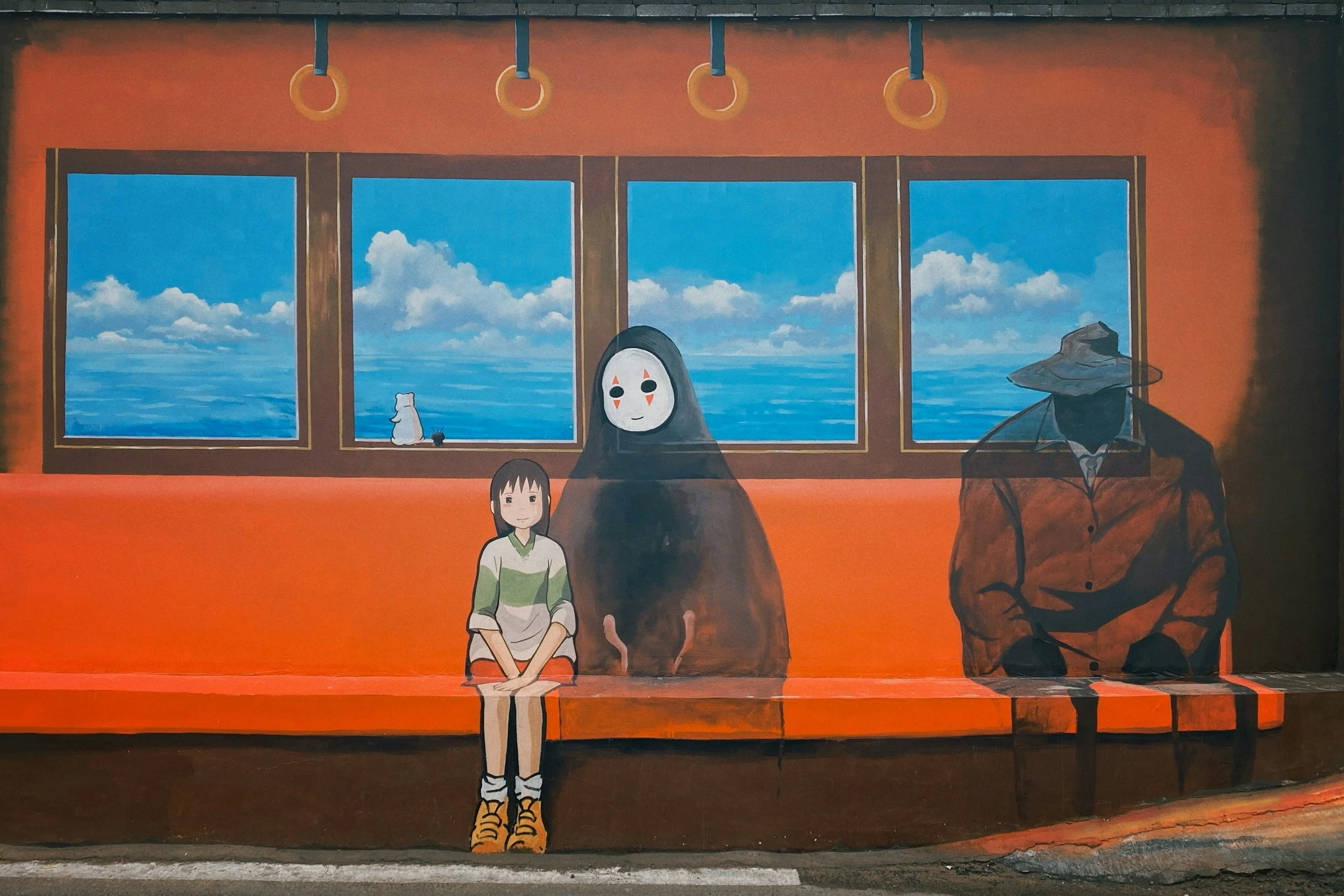
When There Is No Mirror
When there is no place for emotions to exist, children do the most adaptive thing they can do: they set themselves aside. Playfulness, vulnerability, emotional needs get filed under “childish things to leave behind,” because bringing these forward only made things harder on you and the adults in your life.
This is an adaptive strategy children learn, that comes with a cost.
Adults who grow up this way become incredibly high-functioning. They thrive under pressure, are deeply responsible, and are excellent caretakers. They can also feel persistently and profoundly lonely in ways they struggle to articulate, because the loneliness lives within them without language that can touch it,
According to AEDP (Accelerated Experiential Dynamic Psychotherapy), this difficulty facing one’s emotions in the face of painful aloneness is exactly where survival strategies like anxiety, people-pleasing and hyper-independence to take root. They aren’t personality traits, but adaptations to an environment where your full self wasn’t able to exist.
Why Logic Can’t Resolve Emotion Problems
Most often, highly intellectual, self-aware folks end up in my office deeply frustrated by their ineffectiveness at resolving their emotions using their biggest strength—their logical self.
If that were a viable strategy, you would have already resolved it. And my career field wouldn’t exist.
Instead, unfelt emotions show up somatically—as persistent migraines, chronic fatigue, stomach issues, or a vague sense of dread. Or behaviorally, as sudden bouts of intense crying, shutting down during conflict, or struggling to let anyone get close to you.
What Healing in Depth Therapy Looks Like
A core part of depth of therapy is providing that missing reflection, often for the first time.
With a therapist who offers active, attuned empathy, you can develop the capacity to be with your emotions without collapsing or running away. You can start to develop the internal world you were never given the space to develop. You can begin to slowly live in yourself, and craft an inhabited life,
My work as a therapist is to be that steady mirror. Together, we find words to experiences that have lived wordlessly inside. We locate a home for your most vulnerable parts. And we work, slowly, toward extending yourself the same compassion you’ve always extended everyone else.
You were never too much. You were just unmirrored.
If this resonates, I offer free 30 minute consultations to adults navigating the long aftermath of growing up too fast to discover how I might help you begin to craft an inhabited life.
