Chihiro: A Story of Attachment and Childhood Neglect
Spoiler warning: this post discusses the core themes of Studio Ghibli's Spirited Away in full.
I'll be honest . . . As a big Ghibli fan, I used to roll my eyes a little at Spirited Away.
I understood, intellectually, why it was beloved. The artistry is undeniable. But something about it never quite landed for me, and I'd seen it more than once.
This last rewatch was different.
For a long time I was surviving. I was coping. I was getting through. But I wasn't really seeing anything clearly, including myself. Something shifted recently, and this rewatch caught me off guard in the best way.
I found myself thinking: how have I never noticed how alone she is? How brave she's having to be, with no one acknowledging it. How her parents are right there, and completely unavailable.
And then, somewhere in the middle of the film, a thought surfaced that surprised me:
Oh. She died, didn't she?
Not literally. Or maybe literally, depending on how you read it. But something in me recognized it. The spirit world isn't just a strange place she wanders into. It's what happens when a child has to leave herself behind in order to survive.
I'd watched this movie before and somehow missed all of that.
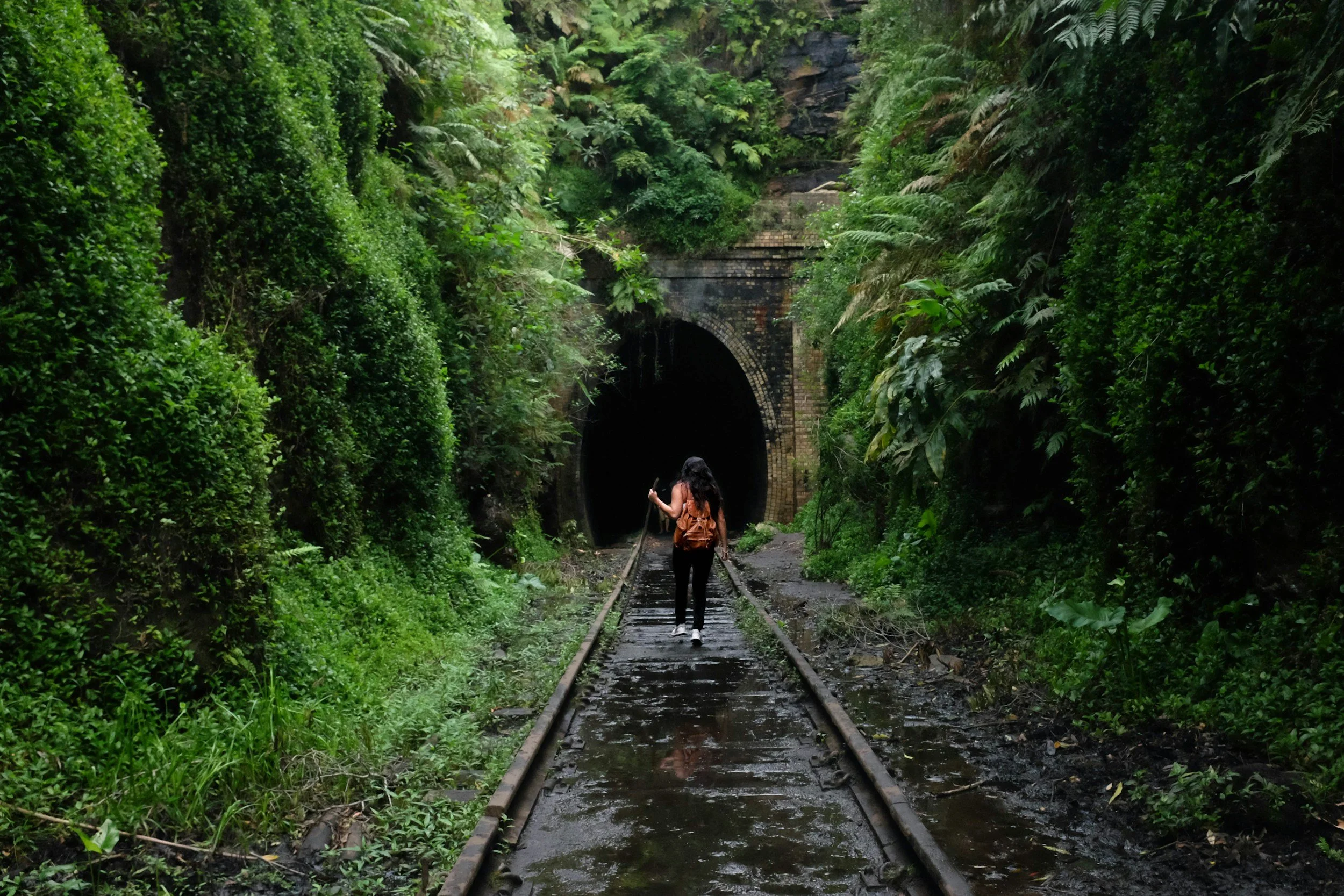
Chihiro’s Journey To Another World
The movie begins with Chihiro clutching a bouquet of flower, a farewell gift from friends she is leaving behind. She is visibly grieving, yet her parents don’t acknowledge it. She is a young child, navigating a difficult transition, without the emotional support or mirroring from the people best positioned to offer it.
When the family wanders through a threshold in the forest into another world, her parents are drawn to an abandoned buffet and transformed into pigs. Chihiro, who didn’t eat, is left utterly alone.
She is a young child, now wandering alone in a strange world. No parents, no safety, and no map. The only way for her to survive is to grow up fast.
This forces Chihiro to quickly take on adult roles and put on a brave face to keep herself safe. In the process, she loses herself, because the witch steals her name (identity) and gives her a new one—"Sen.” She is urgently warned by an aquanitence—Haku—to remember her real name, her real self, or she will become forever stuck in this spirit world. Some say this spirit world represents death. By that reading, the permanent loss or her name (herself) would mean the permanent death to herself. A life unlived and unowned.
As a child, she is being asked to remember herself before she has ever been properly shown how to be. That reflection, or steady “this is who you are—remember yourself,” is something that should have been given to her long before she needed it to survive.
No Face
Sen is given multiple challenges throughout the movie as she works for Yubaba at the bath house. She rises to the occasion, performing well under pressure, and earning the respect of her peers. One such trial involves a character named No Face.
No Face is a husk, consuming anything and everything. It has no core, and reflects whoever is around it. It takes on their greed, hunger their shape. No Face latches on to her and follows her everywhere.
Sen is able to see No Face, absent agenda. She doesn’t want anything from it. And in being truly seen, it releases whatever has been holding it in this world and finds peace.
No face is not an obstacle in Chihiro’s journey. It is a mirror of what she’s fighting against becoming.
The Name She Gives Back First
Through all of her trials, she gains friends who find ways to help her. These are connections made through authentic presence rather than transaction.
One of these is Haku, a river spirit who has been guiding her throughout her journey and urging her to remember herself. But Haku cannot remember his own true name. He is lost to himself in the same way Sen risks becoming lost.
It is Sen who remembers for him, and reflects him back to himself. A childhood memory surfaces in which he saved her. She remembers that Haku was the spirit who saved her then. She gives him back his name and her memory of him.
And in so doing, she finds her way back to herself.
She had to return someone else’s identity before she could fully reclaim her own. She had to become a mirror for someone else before she was freed.
Chihiro’s Return
By the film's end, Chihiro returns from the spirit world changed. She is more grounded, more settled in herself. And because of that, she is able to connect with her parents in a way she couldn't at the beginning. When she reaches for them, they reach back.
When you can finally see yourself, your emotions can move through you rather than trap you. Something shifts in how you relate to everyone around you. You can show up for yourself even when others don't. You become, as Chihiro does, an agent of change in your own relationships rather than a passenger in them.
When clients become lost in another world, of pain, grief, trauma with deep roots, I hold onto who they are and reflect it back so they can keep finding their way to what is true. Sometimes that other world becomes so consuming, so familiar, that we forget there was ever another way to live.
That's what the work is for.
To remember the name that was always yours.
If you are in the middle of deep grief or trauma and feeling lost to yourself, let’s talk. I offer free 30 minute consultations to explore how I might help you remember who you are and come back to yourself in the midst of deep pain.
