
Therapy for Trauma & Dissociation
In-person in Chico, CA and online across CA & OR
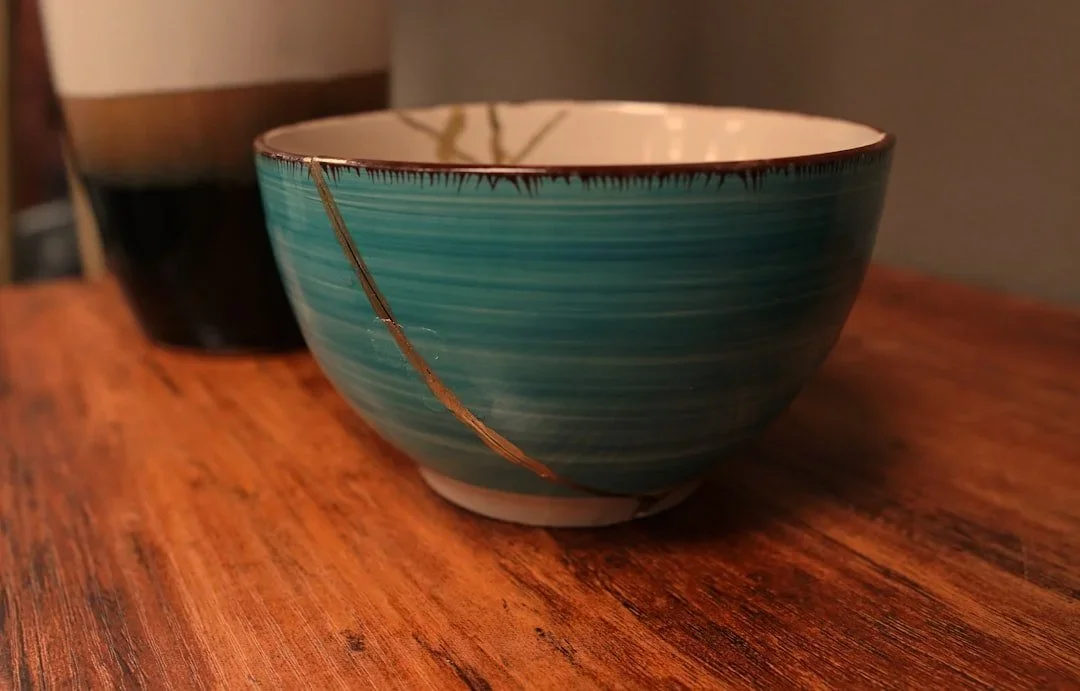
Trauma often feels like a mirror that broke years ago.
You’ve cleaned up the big pieces, but you keep finding sharp shards with your feet when you’re just trying to walk through your own home. Suddenly, you’re hit with a wave of confusion, anger, or dread that feels “too loud.”
It’s exhausting to always be on the lookout for the next cut.
Beyond Insight
Many people I work with are deeply insightful. You likely understand your triggers; you may even fully know why they are there.
But insight only goes so far.
Sometimes, all that understanding actually helps keep the trauma frozen in place. You may know why you’re reacting, but knowing doesn’t stop the reaction from happening.
Instead of working from the "outside-in" with tools to merely manage symptoms, we collaborate from the “inside-out.” We move beyond managing the distress to shifting the way you experience yourself from the ground up.
My Trauma Therapy
Approach
Using EMDR, we revisit the “stuck” memories fueling your distress, helping your nervous system finally digest and set them down for good.
With AEDP, we prioritize the “here-and-now.” By focusing on emotions and sensations happening in the therapy space, we build a real-time path back to your vitality.
Sandtray therapy uses the sensory experience of sand and figures to access wordless parts of your story, finding answers to complex questions that logic alone cannot reach.
I I
My Trauma Therapy Values
Authenticity: Showing up as a human being first, creating a space where you can do the same.
Clear & Direct Communication: We discuss the topics people often avoid—like money, progress, and our clinical fit. I’ll be up front with you from our very first session.
Making the Invisible Visible: I name what is happening between us in the therapy space so we can look at it, put words to it, and navigate it together.
Choice and empowerment: You are always the one in the driver’s seat. My role is to facilitate your process, not dictate it.
You’ve spent enough time watching your life from the ceiling, performing a version of "fine" that no longer fits. It is time to move beyond the cycle of endurance and into a life that is actually yours to inhabit.